
The Minecraft Economy: Unregulated servers and scams
(5 minute read) This blog explores Minecraft’s financial landscapes and offers tips to help parents create a safer online gaming environment for their child when playing the game.
Kami baru sahaja melancarkan tapak baharu kami, sila kongsi maklum balas anda dalam masa 5 minit sahaja.
Since its launch in 2017, Fortnite has become a cultural juggernaut. What began as a battle royale game quickly evolved into a global entertainment platform, redefining how video games are monetised and experienced. At the heart of this transformation is the freemium model – a strategy that offers the game for free while generating revenue through in-game purchases and brand collaborations.
But how does Fortnite actually make money, and what are the implications for its young players?
Fortnite is free to download and play, but it earns billions through microtransactions and in-game purchases. Players can purchase V-Bucks, the in-game currency, to buy cosmetic items like character skins, emotes, or weapon wraps. These items don’t affect gameplay but are highly desirable for self-expression and social status within the game.
The Battle Pass system is another key revenue stream. For a small fee each season, players unlock a progression system that rewards them with exclusive cosmetics and in-game currency. This model encourages regular engagement and spending, as players are incentivised to complete challenges before the season ends.

What truly sets Fortnite apart is its innovative use of brand partnerships. Epic Games has collaborated with some of the world’s most recognisable franchises – Marvel, Star Wars, Nike, LEGO, and global music artists like Sabrina Carpenter and Ariana Grande. These collaborations go beyond simple product placement; they are immersive experiences that blend entertainment and advertising.
For example, the Marvel Nexus War event brought over 15 million players together for a live, in-game battle against Galactus, and DJ Marshmallow played a virtual concert that drew over 10 million viewers, showcasing how Fortnite can serve as a virtual venue for branded entertainment. In 2024, Disney capitalised on this potential by investing $1.5 billion in Epic Games to co-create a new, expansive entertainment universe within Fortnite. This allows players to “play, watch, shop, and engage” with Disney, Marvel, Star Wars, and Pixar content directly in-game.
In 2023, the return of the original Fortnite map – Fortnite OG – set a new record with over 44 million players in a single day, making it the most-played day in the game’s history. These staggering numbers demonstrate why Fortnite is such an effective marketing tool: it offers brands access to a massive, highly engaged global audience in a space where advertising is not only accepted but actively enjoyed.
Epic Games CEO Tim Sweeney has described Fortnite as “the everything game,” aiming to evolve it into a platform where players can experience music, storytelling, shopping, and social interaction. By integrating branded content directly into gameplay, Fortnite transforms marketing into an interactive, social experience – one that drives both engagement and spending, particularly among younger players.

Unlike traditional ads, Fortnite’s branded content is seamlessly integrated into gameplay. Players don’t just see a Nike logo – they wear it, dance in it, and compete in it. This immersive form of advertising is particularly effective with younger audiences, who may not recognise it as marketing.
Fortnite has an age rating of PEGI 12 in the UK, due to its moderate violence and interactive features. According to the PEGI Code of Conduct, publishers who use the PEGI system are contractually bound to follow guidelines for the promotion and advertising of video games, however the PEGI rating system does not directly regulate in-game marketing and does not comprehensively govern in-game marketing strategies.
The game’s monetisation strategies are designed to encourage spending through psychological techniques like:
Children and young people can be susceptible to freemium video game models due to their developmental stage and the persuasive design of these platforms. According to the NSPCC’s 2023 evidence review, the design of online games can significantly increase risk, especially when monetisation features like in-game purchases are embedded within gameplay. These features often capture children’s underdeveloped impulse control and understanding of value, making them more likely to spend without fully grasping the consequences.
The UK Children’s Commissioner has also raised concerns about how games like Fortnite use time-limited offers and social pressure to encourage spending, which can lead to financial stress and compulsive behaviour. Furthermore, the House of Commons Library has documented cases where games were found to breach advertising standards by directly encouraging children to make purchases.

Understanding how video games like Fortnite make money is the first step in helping children navigate the video games safely. Here are a few practical steps parents can take to ensure better digital safeguarding within the home environment:
Set spending limits – Use parental controls on consoles or Epic Games accounts to cap how much can be spent on V-Bucks. Many platforms allow you to require a password or approval for purchases.
Talk about advertising – Help children understand that branded content in Fortnite is a form of advertising. Discuss how companies use games to promote products and why it’s important to think critically about what they see.
Play together – Spend time playing Fortnite with your child. This not only helps you understand the game but also opens opportunities for conversations about spending, peer pressure, and online behaviour.
Use “Ask to Buy” features – Enable features that require parental approval before purchases are made. This gives you a chance to discuss each purchase and its value.
Encourage alternative rewards – If your child wants a new skin or Battle Pass, consider using it as a reward for good work or achievements. This helps them associate spending with effort and value.
Monitor play time – Use built-in tools to track how much time your child spends on Fortnite. Encourage breaks and balance with other activities.
Educate about digital resilience – Teach children how to manage emotions around gaming, like frustration from losing or pressure to spend.
Educate yourself: Stay informed about Fortnite’s in-game spending mechanisms and common risks by reading expert advice. Or register for one of Ygam’s free online workshops on video gaming to gain access to more information, advice and guidance.
(5 minute read) This blog explores Minecraft’s financial landscapes and offers tips to help parents create a safer online gaming environment for their child when playing the game.

One of our Student Ambassadors, Tariq, talks about his experience with gambling and how volunteering with Ygam has helped him support others who may be experiencing harm.
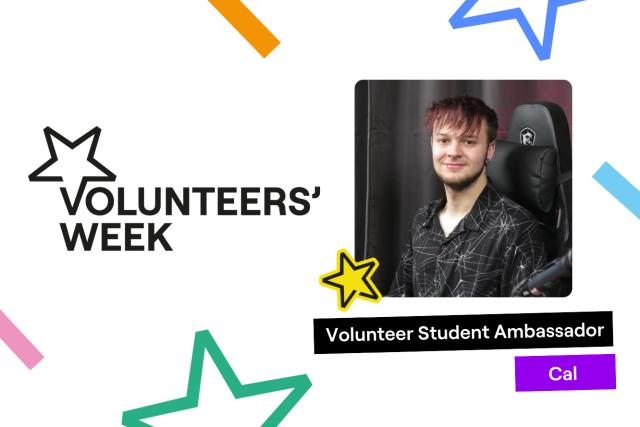
Cal talks about how an unhealthy relationship with video gaming can lead to harm and poor mental health, and the reasons behind his decision to volunteer with Ygam as a Student Ambassador.