
Silence the Stigma and let’s talk about gambling harms
Launched in partnership with NUS Charity, this campaign aims to encourage students to look out for signs of gambling harm in their peers and start campus conversations to silence the stigma.
Nous venons de lancer notre nouveau site. N'hésitez pas à nous faire part de vos commentaires en 5 minutes.

Minecraft is a popular video game with a PEGI 7 age rating, that allows players to build, explore, and create their own worlds. With its open-ended gameplay, players can construct their own structures, embark on adventures, and interact with other players. Common features of the game include survival mode – where players gather resources and fend off monsters, and creative mode – which offers unlimited resources for building an entire world.
But Minecraft is more than a game; it’s a virtual space where players can learn new skills, foster communities, and create their own digital identities. One aspect that is often overlooked is the economic systems within the game, which adds another layer of complexity and challenge to the player experience.
Like real-world economies, Minecraft’s in-game economy includes jobs, wealth disparities, and even financial scams. While these elements can teach young gamers valuable lessons about work and finance, they can also distort a child’s understanding of money and lead to negative experiences, including financial loss or affecting mental health.
This blog explores Minecraft’s financial landscapes and offers tips to help parents create a safer online gaming environment for their child’s online safety and wellbeing.

In Minecraft, a server is a dedicated platform that hosts a multiplayer world where players can interact, build, and trade. Each server can have its own set of rules, economic systems, and community guidelines, leading to different economic experiences for players. Some servers have well-regulated economies with established systems for trading, currency, and property ownership.
These servers often feature jobs, salaries, and market systems that mimic real-world economies, ensuring just transactions and allowing players to experience structured and fair gameplay. Jobs such as farming, mining, and crafting are well-defined, and players earn gold based on their tasks, which can then be spent on resources, land, or equipment, creating an engaging economic cycle.
On the other hand, some servers have more chaotic and unregulated economies, where players must navigate a competitive and unpredictable environment. Without rules governing trade and wealth distribution, stealing, bullying, and scams are more common, and wealth disparities can be extreme.
For example, in the UK, the wealthiest person has an estimated wealth of £37.2 billion, while the median wealth is approximately £125,000. In contrast, on the Tempus Minecraft server, the median wealth is 50 pieces of gold, while the wealthiest player has 50 billion pieces of gold – over 3,000 times higher than the ratio in the UK.
While this can create a thrilling and unpredictable experience for gamers, it also increases the risk of frustration and conflict among them. This can lead to distorting a young person’s understanding of wealth and financial transactions or create unrealistic expectations of what wealth or success may be.
With in-game financial inequality, comes greater susceptibility to other harms that can spill into a player’s offline world. Scams are a serious concern in Minecraft, with one analysis revealing that Minecraft had over 3 million attempted scam attacks between July 2023 and July 2024 – the highest number across all popular video games. Common scams include phishing emails, fake updates, and unofficial apps designed to steal login details or personal information.
Microsoft, who own Minecraft, are continuously working to address in-game scams by cracking down on malicious apps, improving account verification or passwords, and fixing bugs that are infiltrated by scammers. Yet, Minecraft players are frequent targets, with an investigation unveiling over 80 fake Minecraft mobile apps on Google Play were downloaded nearly a million times. These malicious apps flood users with ads, redirect them to scam websites, or spread harmful software throughout a device which steals personal information and data.
Phishing scams also mimic official emails from Microsoft, tricking players into sharing their login details or downloading harmful software. Falling for these scams can lead to stolen accounts, lost in-game items, and even real-world financial losses if linked payment details are compromised.

In-game inequality can create an environment where less wealthy players are more vulnerable to manipulation, abuse, and scams. Players with fewer resources may be more desperate to improve their in-game wealth and thus more likely to fall for fraudulent or toxic schemes promising quick riches. The combination of high wealth inequality and prevalent scams can lead to a cycle of exploitation and mental health problems, particularly affecting young and inexperienced players.
Playing on unregulated servers can negatively impact a young person’s mental health in several ways:
Increased anxiety and stress: Without structured rules, players may experience constant uncertainty, fearing scams or unfair treatment.
Feelings of inadequacy: Extreme wealth disparities can lead to frustration, as less wealthy players struggle to progress and compare themselves unfavourably to others.
Feeling of isolation: Frequent exposure to scams and dishonest behaviour can erode a young person’s trust in online communities, leading to isolation and social withdrawal.
Gaming disorder risks: The unpredictable nature of unregulated servers may encourage excessive play as children chase fleeting success, leading to unhealthy gaming habits.
Emotional distress from exploitation: Being scammed or taken advantage of can be emotionally distressing, leading to feelings of shame, anger, or helplessness.

At Ygam, we recognise that online gaming is a fun and social pastime, so its important parents know how to safeguard their child or young person, to ensure a safer gaming experience. Understanding internet safety for children is key to helping young players navigate risks like scams, inappropriate content and online exploitation.
Here are a few ways you can create a safer digital home environment for your child:
Engage in discussions about Minecraft: Talk to your child about their gaming experiences and understand the servers they play on. Learning about their favourite in-game activities can help you recognise potential risks.
Understand the appeal of Minecraft: Young players engage with the game for social interaction, creativity, competition, and escapism. Acknowledging these motivations and playing the game yourself can break down barriers, helping to guide discussions with empathy and understanding.
Work together on solutions: If concerns arise, collaborate with your child to find reasonable ways to enhance their safety without imposing overly strict restrictions and alienating them.
Enable parental controls: Most popular games have parental controls that can be activated to ensure young players are safeguarded from certain content, servers, or communications. You can read more about Minecraft parental controls here.
Monitor in-game communications: Discuss how players interact on servers, helping your child recognise potential dangers such as scams, extortion, or problematic behaviour.
Integrate digital safety into daily life: Make online safety a regular conversation topic, teaching children to recognise scams, question things, and to never share personal information.
Educate yourself: Stay informed about Minecraft’s online economy and common risks by reading expert advice. Or register for one of Ygam’s free online workshops on video gaming to gain access to more information, advice and guidance.
Launched in partnership with NUS Charity, this campaign aims to encourage students to look out for signs of gambling harm in their peers and start campus conversations to silence the stigma.

The connection between mental health and the digital world is intricate. We explore how mental health and the digital world intersect positively and negatively and how days like World Mental Health Day emphasise the importance of ongoing conversations regarding young people’s mental health.
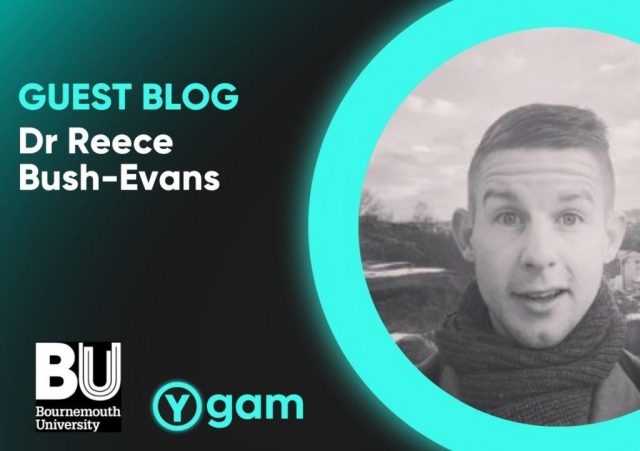
Dr Bush-Evans is a Lecturer in Psychology and a member of the Gambling Research Group at Bournemouth University. His work focuses on social psychological aspects of behaviour. He is currently researching how technology can help detect, predict, prevent, and intervene in harmful gambling behaviour.