
Reflecting on the outcomes of our governance review
Helen Martin, Ygam COO, reflects on the outcomes of our recent NCVO governance review and how we can continue to exercise best practices in charity governance.
We've just launched our new site, please share your feedback in just 5 minutes.

“If you’re in the closet and you just want to escape from reality, it’s a route to escape”.
Whilst most people who gamble online do so within safe limits, a significant minority of LGBTQ+ people are at risk of gambling-related harms, new research has revealed.
A survey conducted by the Gambling Research Group at Bournemouth University of 321 LGBTQ+ adults across the UK found that over two thirds (67.3%) of those who gamble experience some levels of harms (those who score at least 1+ on the PGSI scale), with 14.3% indicative of problem gambling. These figures suggest a higher risk of gambling harm among LGBTQ+ people than the general population according to a 2021 report by YouGov.
More than half (53%) have three or more gambling accounts they use regularly, with lottery (including scratch cards), sports betting, and slot machines as the most popular gambling products. Almost half (49%) say that they feel regret after gambling and more than four in ten (41%) say they tend to lose more money than expected.
More than half (56.5%) say they gamble at least twice a week, with more than three in ten (36%) feeling that they should cut down on their gambling. Over a third (35%) say that they hide their gambling from friends and loved ones. When asked about their use of responsible gambling tools, almost two third (66.4%) say that they have never used one before.
LGBTQ+ people often report a high number of life stressors, such as stigma, discrimination, isolation, and mental health issues. The research found that 71% of LGBTQ+ people experience some form of discrimination or harassment in their life. Moreover, nearly nine in ten (89%) say that they experience some form of isolation and over a third (39%) say that they experience problems disclosing their gender identity to others.
The research found that LGBTQ+ people who experience distress caused by such life stressors are statistically significantly more likely to experience gambling harms. Moreover, such individuals are likely to turn to gambling as a coping strategy.
“Gambling has been a release to get away from life in general”
“If someone’s been a victim of hate crime or something that could probably get them into the habit”
To explore these findings further, Bournemouth University conducted follow-up interviews with 20 LGBTQ+ adults. Some general patterns emerged within the data. For example, many LGBTQ+ people say that they have experienced losing control over their gambling at some point in their life. Many also say that they engage in risker forms of gambling such as matched betting, which exposes them to countless gambling promotions every day.
Many LGBTQ+ people say that they do not feel safe or welcome in land-based gambling venues, with online gambling viewed as more accessible and inclusive for them.
“I wouldn’t have been gambling if the online routes weren’t available, because I wouldn’t have wanted to go into stores”
Although more than seven in ten (77%) LGBTQ+ people surveyed say that they would seek help with their gambling if it was getting out of control, many in the interviews say that current gambling support services do not cater for the unique needs of LGBTQ+ people. The findings suggest that targeted safer gambling initiatives for LGBTQ+ individuals experiencing gambling-related harms should be a priority.
“Being part of the LGBTQ+ community, you might not get the correct help or the correct support you need”
“LGBTQ+ people face unique issues. If the person you talk to is trained or has knowledge of what LGBTQ+ people go through, then they can do a better job”
Although this research only recruited individuals aged 18 or over, the findings nevertheless have implications for safeguarding policies for LGBTQ+ young people. Research evidence suggests that LGBTQ+ children and adolescents are at a greater risk for mental health problems, self-harm, and suicide than their heterosexual peers.
LGBTQ+ young people often face homophobic, biphobic, and transphobic language and bullying, and are at a higher risk of social isolation and negative health outcomes than non-LGBTQ+ peers6. Based on these findings, it is possible that LGBTQ+ young people might turn to gambling activities to cope with the distress caused by life stressors (such as discrimination and social isolation), similar to the results found by Bournemouth University with LGBTQ+ adults.
Given that the 2022 Young People and Gambling Report by the Gambling Commission reported that nearly 1% of 11-16 year-olds in Great Britain are problem gamblers, identifying appropriate tailored support and communicating more about the risks associated with gambling among this age group as well as marginalised groups (such as LGBTQ+) is paramount.
You can read more information about this research HERE.
Helen Martin, Ygam COO, reflects on the outcomes of our recent NCVO governance review and how we can continue to exercise best practices in charity governance.
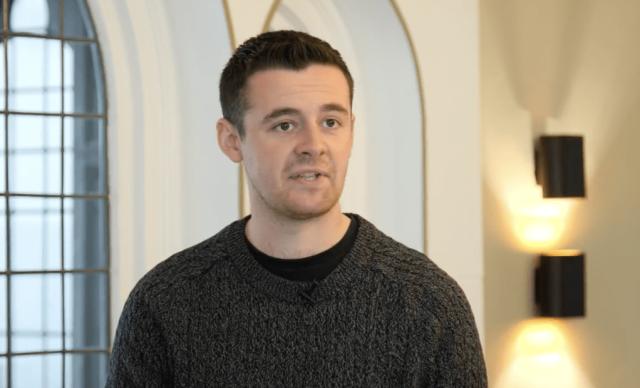
Sam Starsmore is Programme Lead for Education at Ygam. Sam is a member of GambleAware’s Lived Experience Council and has recently been named as a finalist at the National INSIGHT Awards.

The connection between mental health and the digital world is intricate. We explore how mental health and the digital world intersect positively and negatively and how days like World Mental Health Day emphasise the importance of ongoing conversations regarding young people’s mental health.