
Understanding gaming
Get to grips with how gaming influences young lives. Explore both the opportunities and potential risks of modern gaming.
We've just launched our new site, please share your feedback in just 5 minutes.
Modern games often include features that mirror gambling mechanisms. From loot boxes that offer random rewards to time-limited offers that create pressure to spend, these elements can trigger similar responses to gambling. Understanding these connections helps us protect our children while letting them enjoy the positive aspects of gaming.
Many popular games use psychological techniques like unpredictable rewards and fear of missing out (FOMO). Being aware of these features helps us have informed conversations with our children about managing their gaming.
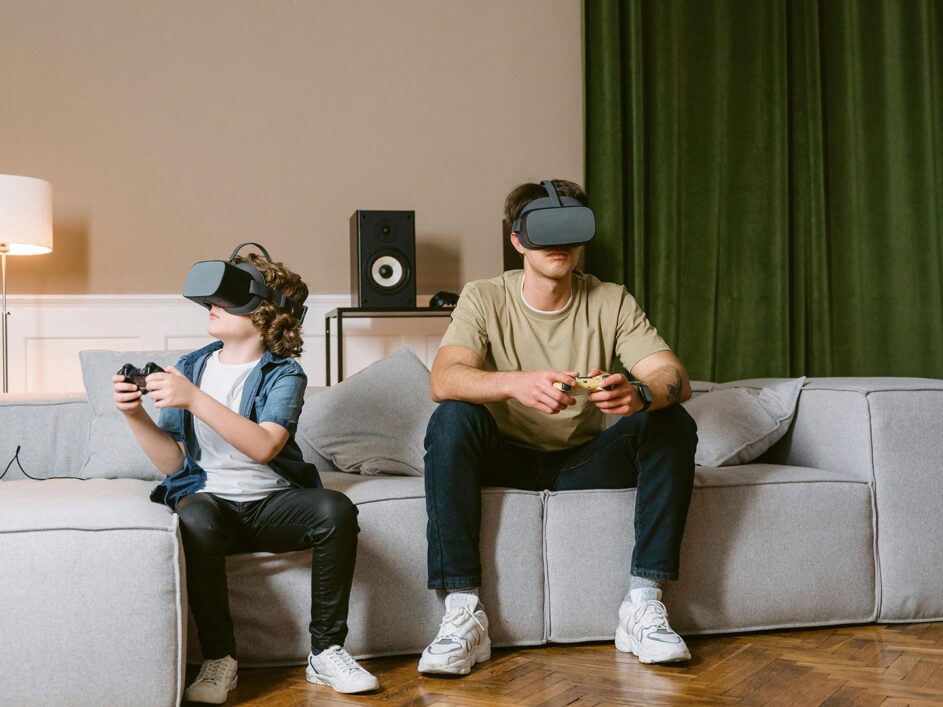
Age ratings help parents to make informed decisions about which games are suitable for young people. While ratings consider factors like violence and language, they may not reflect other important aspects like in-game purchases or chat features.
Modern games often include social and monetary features that require careful consideration:
Many games include chat functions, friend systems, and team play. While these can foster valuable social connections, they may also expose young people to inappropriate content or contact.
From character costumes to random reward boxes, in-game purchases are increasingly common. Understanding how these work helps you guide young people in making informed decisions.
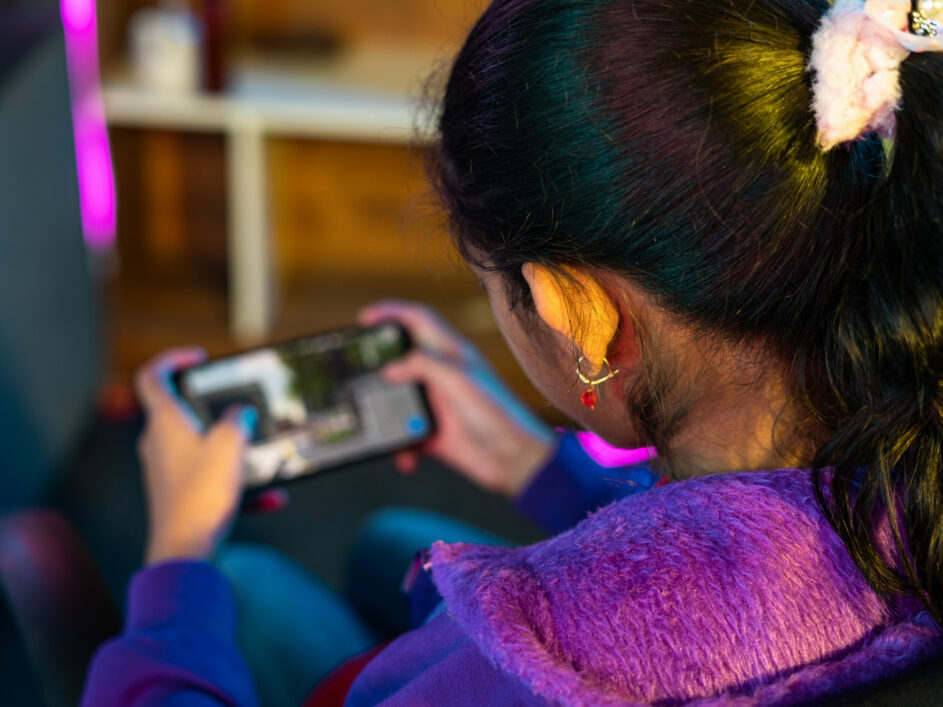
Whether at home or in educational settings, we can help create positive gaming experiences by:
Every gaming platform offers safety settings – learn how to set these up effectively for different devices.

Gaming becomes harmful when it starts affecting sleep, school, or relationships, when there’s increased anger or anxiety around gaming limits, or when time spent gaming feels out of control. If you notice any changes that worry you, our training can help you understand the signs to watch for, as well as how to access help when you need it.
Get to grips with how gaming influences young lives. Explore both the opportunities and potential risks of modern gaming.

Learn to spot signs of gaming harms and get tools for having supportive conversations with children and young people about healthy gaming.
Join thousands of parents and professionals we've trained to support children and young people. Our free workshops give you the knowledge and confidence to prevent the harms of gaming and gambling.