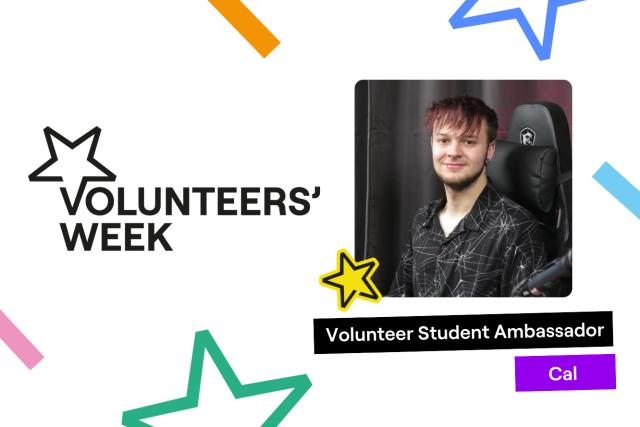
Guest Blog: Gaming, Gambling, and Mental Health
Cal talks about how an unhealthy relationship with video gaming can lead to harm and poor mental health, and the reasons behind his decision to volunteer with Ygam as a Student Ambassador.
Nous venons de lancer notre nouveau site. N'hésitez pas à nous faire part de vos commentaires en 5 minutes.
Sports have always been a big part of my life, especially football. It’s thrilling, emotional, and brings people together. For me, it reminds me of my childhood and my teenage years. But somewhere along the way, especially in recent years, I’ve seen something deeply troubling becoming normalised: the connection between watching sports and gambling.
As a volunteer Student Ambassador with Ygam, I’ve learned and dived deeper into how profound and problematic this link can be. It’s essential that we reclaim sport for the pure joy and passion it inspires, free from the pressures of losing a bet (as if your team losing wasn’t stressful enough!).
Growing up, football was my refuge. Whether playing or watching, it brought joy and a sense of belonging. But during my teenage years, and because it was in our faces so much, I noticed friends increasingly betting on matches. Firstly, in the betting shop, then progressed to using the apps. What started as casual wagers quickly turned into compulsive gambling for some, including me. The matchday conversations shifted from discussing tactics and celebrating beautiful goals to tracking bets, odds, and winnings. The thrill of the game was replaced with anxiety, stress, and anger.
I’ve witnessed firsthand the stigma attached to gambling harms. Those who struggled kept silent, afraid of judgment and only spoke out of the rare wins as if it’s something great or worthy of being celebratory. I realised there was a genuine need for honest conversations, the ones that could dismantle stigma and provide support instead of shame, that raise awareness but the right way, and it begins with each one of us through that internal dialogue.
It wasn’t easy to step back, but once I made the conscious effort, something shifted profoundly. I will be honest, it was part of a wider personal development and awareness goals, but truly, without betting, sports became exciting again, just like they used to.
For me, one of the biggest worries was what watching football would feel like if I did quit; that was anxiety-inducing to the core, but I found renewed pleasure in simply watching games for the sport itself – no betting, just pure passion for the match and all the details.
I rediscovered the psychological benefits, too. Without gambling, watching sport became a healthier experience with less anxiety, less regret, and more genuine connection to friends and the community. I even went on to start a career in the football business through a university degree. This journey highlighted to me that sport’s true value lies not in predicting outcomes but in enjoying the unpredictable beauty of the game itself.
Joining Ygam as a volunteer Student Ambassador has reinforced this important personal lesson. Through training, I’ve become more informed about gambling harms and better equipped to speak confidently about them.
On campus, we are planning to run an event, raising awareness and sparking crucial conversations about the risks and realities of gambling. The hope is that those educated and passionate about the sport can also be advocates for this matter. Seeing peers and friends I have influenced through helping them to understand, open up, or reconsider their habits has been incredibly rewarding and highlights the value each person can provide for their community.
Ygam provided me not only with the resources to create these conversations but also the confidence that comes from knowing my voice matters. It showed me how powerful education and honest dialogue could be.
To anyone feeling trapped between sport and gambling, I encourage you to reach out, speak up, or seek support. Sport can and should be enjoyed purely, passionately and without the stress that gambling sometimes introduces.
And if you’re looking to make a difference, Ygam could be your opportunity.
The structured programmes provide an opportunity to learn, grow, and help others. You’ll be part of reshaping how we collectively experience sports, returning it to its rightful place as a source of joy, inspiration, and healthy competition. And free from harm.
Cal talks about how an unhealthy relationship with video gaming can lead to harm and poor mental health, and the reasons behind his decision to volunteer with Ygam as a Student Ambassador.
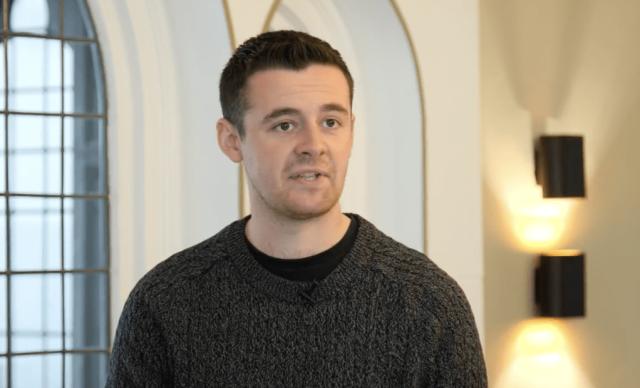
Sam Starsmore is Programme Lead for Education at Ygam. Sam is a member of GambleAware’s Lived Experience Council and has recently been named as a finalist at the National INSIGHT Awards.

Dr Bush-Evans is a Lecturer in Psychology and a member of the Gambling Research Group at Bournemouth University. His work focuses on social psychological aspects of behaviour. He is currently researching how technology can help detect, predict, prevent, and intervene in harmful gambling behaviour.