Guest Blog: Enjoying Sport, Gambling-Free
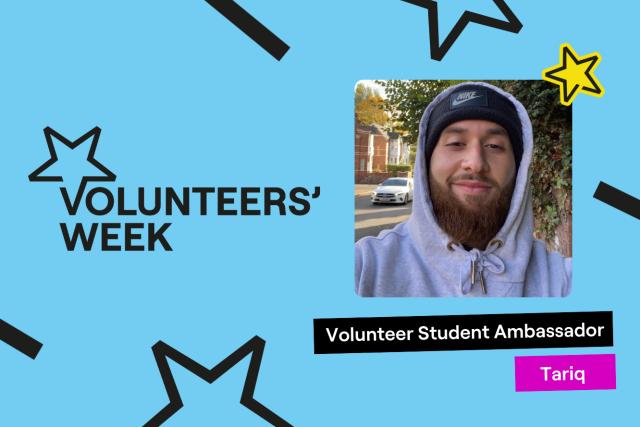
One of our Student Ambassadors, Tariq, talks about his experience with gambling and how volunteering with Ygam has helped him support others who may be experiencing harm.
Nous venons de lancer notre nouveau site. N'hésitez pas à nous faire part de vos commentaires en 5 minutes.
Growing up, gaming was my escape. It gave me a sense of community, achievement, and belonging, all from the comfort of my bedroom. At first, I started gaming to socialise with friends online, but over time, it became more than a hobby. It became a part of my daily routine, then a compulsion, and eventually, a source of harm that I didn’t fully recognise until it had already taken a toll on my mental health.
What I also enjoyed in games was the excitement over opening loot boxes and gaining rewards. I was chasing wins not just in gameplay, but in the form of rare skins, items or anything really to add to my collection. A thrill that blurred the line between gaming and gambling.
At first, spending a few hours a day didn’t seem like a big deal. But when I started obsessing over the next time I was going to hop on a game to the point where I wouldn’t want to leave my room for days, I realised it wasn’t okay. I wasn’t okay. The dopamine hits from winning games and getting rare items quickly faded, replaced by anxiety, regret, and frustration. I’d lose track of time, money, and even connections with friends and family.
This spiral had a deep impact on my mental health. I struggled with low self-esteem, guilt over wasted time and money, and worsening anxiety. My sleep became irregular, my academic focus slipped, and I began withdrawing from society. The worse I felt, the more I played to get away from it all. I felt stuck and ashamed to open-up to anyone. I wasn’t even sure if what I was experiencing was even serious enough to seek help for.
But it was real. Internet Gaming Disorder and gambling-related harms are often hidden in plain sight, especially in a digital age where games are designed to keep us hooked. I learned this the hard way.
The turning point came when I finally accepted the help from my parents, peers, and mental health services offered. I limited my access to video games and stepped out of my comfort zone, attending more social activities with my friends and my family. I learnt a lot about myself through counselling, which sparked my interest in learning more about mental health around gaming and esports.
I’m sharing this story to help normalise conversations around gaming and gambling harms. There’s still a lot of stigma and misunderstanding, especially when the issues don’t look like traditional “addiction.”
If you’ve ever felt overwhelmed, trapped, or mentally exhausted by your relationship with games or in-game spending, you’re not alone. It doesn’t make you weak. And it’s never too early or too late to reach out, reflect, and regain control.
Gaming should be fun, not harmful. And with the right education, support, and awareness, we can build a safer, more positive space for everyone, especially the younger players growing up in a world where gaming and gambling are becoming harder to tell apart.
When I began researching gaming addiction, I discovered Ygam, who focus on gaming and gambling harms prevention and education. It gave me hope and a purpose.
Volunteering with Ygam is more than just a role, it’s a movement. You become part of a network of passionate people from all sorts of backgrounds who are working to protect young people from gaming and gambling harms. You get access to training, support, and opportunities to speak out and shape change in so many communities.
For me, it’s helped me grow personally and professionally. It’s deepened my understanding of harm prevention, boosted my confidence, and connected me with like-minded individuals who care about making gaming spaces safer and healthier.
As a university student, I can understand that life can be hectic with deadlines, assignments, society commitments, and trying to maintain a social life. But volunteering with Ygam has never felt like “extra work.” It’s something I genuinely care about. I make it fit by integrating it into what I already do.
Whether that’s running awareness events through my student society or using what I’ve learned from Ygam and applying it to my studies and my life.
It’s all about time management, but more importantly, it’s about passion. When something matters to you, you make the time.
Starting conversations about gaming and gambling harms can feel awkward, especially when most people don’t see it as a “serious” issue. But I’ve found that the best way to raise awareness is to meet people where they are. Whether I’m hosting a society event or simply talking with peers about my own experiences, I focus on openness and relatability.
I try to de-stigmatise the topic by being real about how these harms can affect anyone, even the most dedicated or “responsible” gamers. Education, honesty, and lived experience go a long way in breaking the silence and helping people reflect on their habits.
One of our Student Ambassadors, Tariq, talks about his experience with gambling and how volunteering with Ygam has helped him support others who may be experiencing harm.
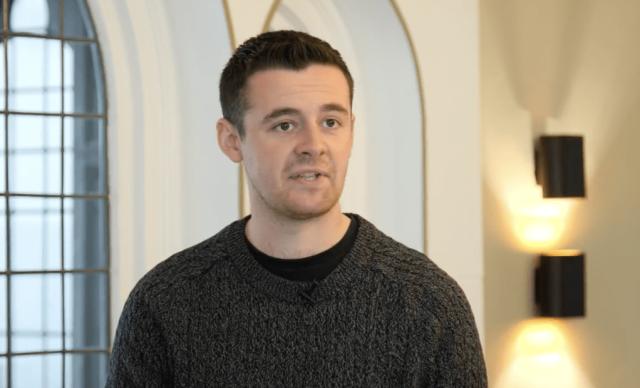
Sam Starsmore is Programme Lead for Education at Ygam. Sam is a member of GambleAware’s Lived Experience Council and has recently been named as a finalist at the National INSIGHT Awards.
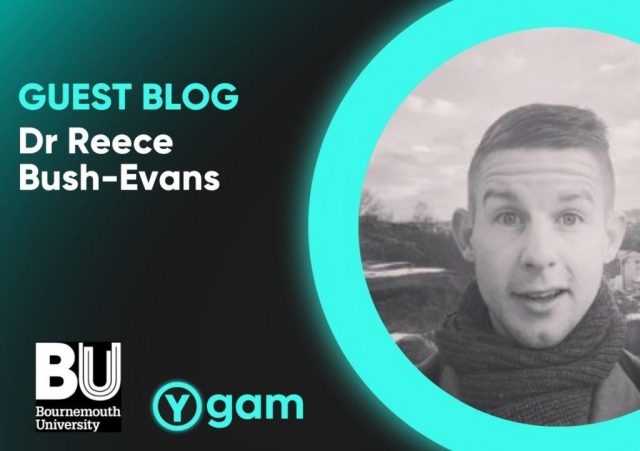
Dr Bush-Evans is a Lecturer in Psychology and a member of the Gambling Research Group at Bournemouth University. His work focuses on social psychological aspects of behaviour. He is currently researching how technology can help detect, predict, prevent, and intervene in harmful gambling behaviour.